How to Become an Affiliate Marketer: A Beginner-Friendly Guide

Affiliate marketing has become a popular option for people who want to explore online earning opportunities. Instead of creating and selling your own products, you recommend products or services that belong to other businesses. When your recommendation leads to a qualifying action, you can receive a commission.
One of the attractive features of affiliate marketing is that you do not have to manufacture products or deal with inventory, packaging, or delivery. However, success usually takes time and consistent effort. New marketers need to build an audience, provide useful information, and develop reliable sources of traffic before seeing steady results.
If you are interested in learning how to become an affiliate marketer, this guide will walk you through the process in simple and practical steps.
What Is Affiliate Marketing?
Affiliate marketing is a performance-based marketing approach where an individual promotes a company's product or service. The affiliate receives a commission when someone completes a specific action through the affiliate's unique referral link.
To understand the concept more clearly, imagine that you recommend a software product to someone because you believe it can solve their problem. You provide your personal referral link, and the person decides to purchase the software through that link. If the purchase qualifies under the company's affiliate terms, you may receive a percentage of the sale.
There are usually three main parties involved in this process. The merchant owns the product or service, the affiliate promotes it, and the customer makes the purchase. An affiliate network may also be involved to connect merchants and affiliates while handling tracking and payments.
How Does Affiliate Marketing Work?

The process generally begins with choosing a specific niche and identifying products that could be useful to your target audience. Selecting products that are relevant to your content is important because random recommendations are less likely to build trust.
After finding an appropriate affiliate program, you can apply to join it. Once approved, the program usually provides you with a unique tracking link. You can use this link in permitted marketing channels such as blog posts, videos, social media content, or email campaigns.
When a person clicks your affiliate link and completes the required action, the program records the referral. If the transaction meets the program's conditions, you receive the agreed commission.
Affiliate marketing is therefore about more than simply sharing links. Your content should help people understand a product, solve a problem, compare different choices, or decide whether a particular solution is suitable for them.
How to Become an Affiliate Marketer Step by Step
Learning how to become an affiliate marketer becomes much easier when you divide the process into manageable stages. You do not need to master everything on your first day. Start with the basics and gradually develop your skills.
Choose the Right Niche
The first major decision is choosing a niche. Your niche is the particular subject or market that you will focus on when creating content and promoting products.
If you are learning how to find a niche, think about topics that interest you and areas where you already have some knowledge. You should also consider whether people are interested in the topic and whether suitable products are available to promote.
Some common affiliate marketing niches include technology, beauty, fashion, fitness, travel, education, software, home improvement, and personal finance.
However, do not select a niche based only on its earning potential. Choose a subject that gives you enough room to create helpful content regularly and connect with a specific audience.
Understand Your Target Audience
After choosing your niche, the next step is understanding your audience. Knowing who you are creating content for can make your affiliate marketing strategy much more effective.
Think about the questions your audience asks and the problems they are trying to solve. Find out what types of products they are interested in and what information they need before making a purchase.
For example, instead of targeting the entire fitness industry, you could focus on home workouts for busy beginners. This gives you a more specific audience and makes it easier to create content that addresses their particular needs.
When your recommendations match your audience's interests, your content can feel more helpful and less like advertising.
Find Affiliate Programs
Once you understand your niche and audience, start searching for affiliate programs that offer relevant products or services.
The best affiliate networks for beginners depend on several factors, including your location, niche, audience, and the products you want to promote. Some well-known options include Amazon Associates, Awin, Click Bank, Rakuten Advertising, and eBay Partner Network.
Before signing up, spend some time comparing the program's commission structure, payment requirements, cookie duration, product quality, and promotional restrictions. Understanding these conditions beforehand can help you choose a program that matches your goals.
A high commission may look attractive, but it should not be the only factor you consider. A relevant product from a trustworthy company can be more valuable than a product offering a larger commission but little value to your audience.
Learn How to Get Affiliate Links
After joining an affiliate program, you will generally receive access to an affiliate dashboard. This is where you can find products and create or copy your unique tracking links.
If you are wondering how to get affiliate links, search for the product you want to promote inside your affiliate account. The platform will normally provide a referral link or a tool that allows you to generate one.
You can then place the link within appropriate content, as long as the affiliate program allows that type of promotion.
It is also important to be transparent with your audience. Let people know when you may receive a commission from a recommendation. Clear disclosure can help you maintain trust and demonstrate that you value your audience's confidence.
How to Start Affiliate Marketing With No Money
One reason affiliate marketing attracts beginners is that you can begin without a large initial budget. If you want to know how to start affiliate marketing with no money, focus on free platforms and organic methods for reaching people.
You can start by creating educational social media posts, videos, articles, or other useful content. You can also answer relevant questions and build an audience around your chosen niche.
You do not necessarily need an expensive website or paid advertising campaign when you are starting. Free platforms can give you an opportunity to learn what type of content your audience responds to.
However, starting without a financial budget does not mean the process requires no effort. You will still invest your time, research, creativity, learning, and consistency into building your affiliate business.
As your results improve, you may decide to spend money on a domain, hosting, premium software, advertising, or professional design.
How to Build an Affiliate Website
A website can give your affiliate business a central place for publishing content and recommendations. When learning how to build an affiliate website, keep the structure simple and easy to navigate.
Choose a domain related to your niche and create essential pages such as About, Contact, Privacy Policy, and Affiliate Disclosure. These pages can help visitors understand who is behind the website and how it operates.
Next, begin publishing articles that answer questions your target audience is searching for. You can write product reviews, comparison articles, tutorials, buying guides, and educational content.
For example, a technology website could publish articles about laptops for students, comparisons between different models, and guides explaining what features buyers should consider before purchasing a laptop.
Your website should focus on helping readers first. Affiliate links should be added naturally when they provide a useful next step.
Create Valuable Content
Useful content is one of the most important parts of affiliate marketing. People are more likely to trust a recommendation when they receive helpful information instead of constant sales messages.
When discussing a product, explain what it does, who it is suitable for, and what benefits it may provide. You can also discuss its limitations so readers can make a more informed decision.
Honest content can help you establish credibility with your audience. When people consistently find your content useful, they may return to your website or social media profiles for more information.
The type of content you create should depend on your skills and your audience. Blog posts, product reviews, comparison articles, tutorials, videos, buying guides, and email content can all be used as part of an affiliate marketing strategy.
The key is to focus on usefulness rather than creating content simply to place affiliate links.
Use the Right Traffic Sources
Creating great content is only part of affiliate marketing. You also need people to discover that content. This is where traffic sources become important.
Search engine optimization can help your content appear when people search for information, products, or solutions. If you are new to SEO, Google's SEO Starter Guide can help you understand the basic principles of improving website visibility.
Social media can also help you reach new audiences and develop relationships with potential customers. If you want to learn more about building an effective social presence, check out our guide to social media marketing for startups in Pakistan.
You can also consider YouTube, email marketing, online communities, and other relevant platforms. Different traffic sources can help you reach people at different stages of the buying process.
Avoid depending entirely on one source. Search engines can change their algorithms, and social media platforms can change how they distribute content.
A practical approach is to start with one main traffic source. Once you understand how it works and begin seeing results, you can gradually introduce additional channels.
Use Affiliate Marketing Tools
The right affiliate marketing tools can make different parts of your work easier. They can help with keyword research, content planning, website monitoring, design, link organization, and performance tracking.
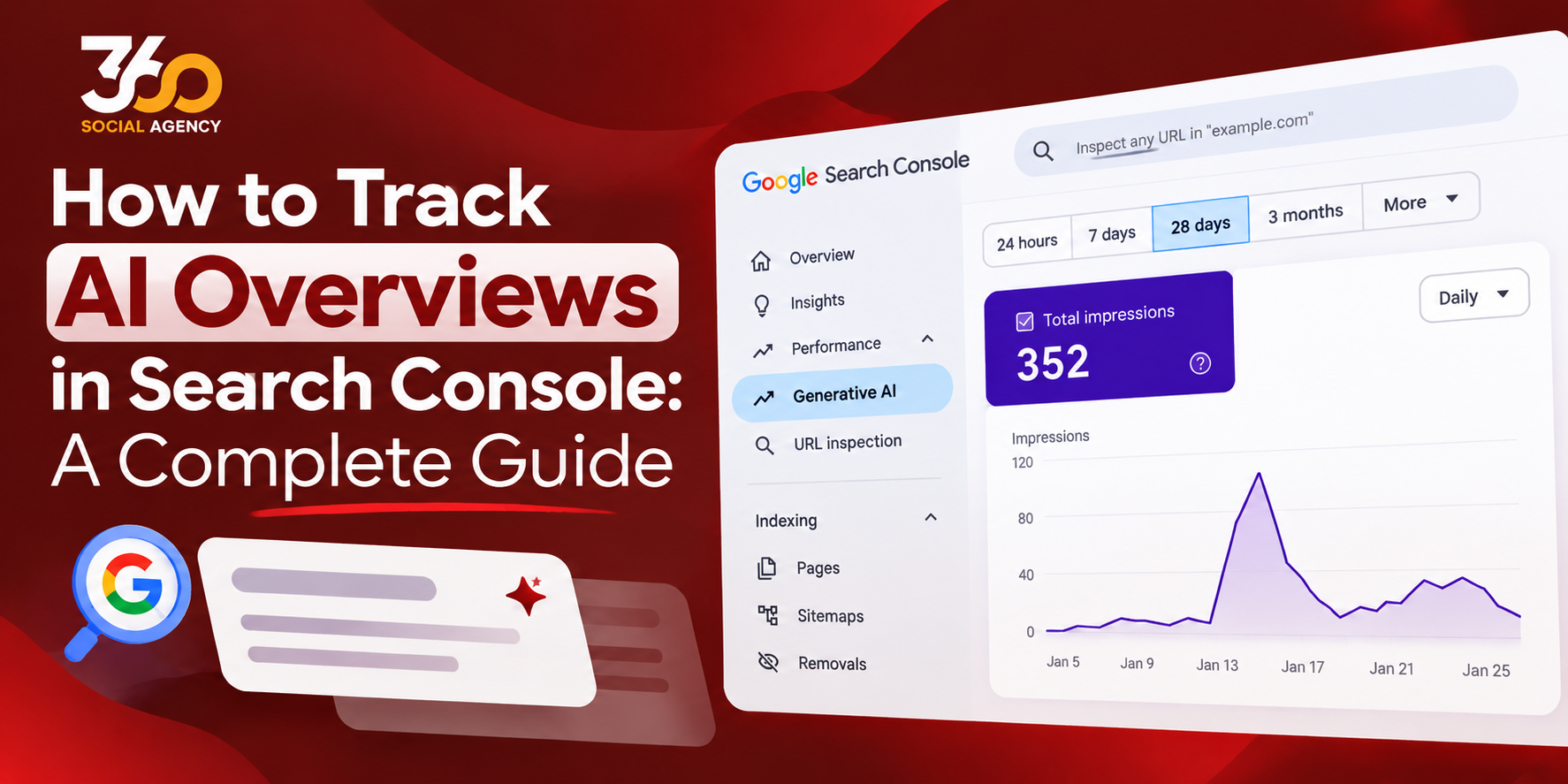
Keyword research tools can help you discover topics that people are searching for. Google Search Console is another useful resource that can help website owners understand how their sites perform in Google Search. You can learn more through Google Search Console.
Analytics tools can help you understand where your visitors come from and how they interact with your content. Design tools can also help you create graphics and visual content for social media.
You do not need to purchase every tool that another marketer recommends. Start with tools that solve a specific problem and fit your current needs and budget.
Make Your Content Mobile-Friendly
A large number of people browse websites using smartphones. For this reason, your affiliate content should be easy to read and navigate on smaller screens.
Use short paragraphs and readable text. Make sure your pages load quickly and that important buttons and links are easy to access.
Your affiliate links should also be simple for mobile visitors to find and use. If a website is difficult to navigate on a phone, visitors may leave before they even see your recommendation.
A mobile-friendly experience can therefore make your content more accessible and easier for your audience to use.
Be Patient and Track Your Results

Affiliate marketing is a long-term process, so your results may develop at different speeds. Some beginners may receive their first commission relatively soon, while others need more time to build traffic, content, and audience trust.
Rather than measuring your progress only through immediate earnings, concentrate on improving your overall strategy. Publish useful content, study your audience, and make changes based on what you learn.
You should also track important results such as website traffic, affiliate link clicks, conversions, and revenue. These numbers can help you understand which parts of your strategy are performing well.
For example, if an article receives many visitors but generates very few affiliate clicks, you may need to improve your calls to action or product recommendations.
If another article consistently produces conversions, consider creating additional content around similar topics. Using your results to guide future decisions can help you develop a stronger strategy.
Common Affiliate Marketing Mistakes to Avoid
Beginners sometimes make the mistake of promoting too many products without understanding what their audience actually wants. This can make their content appear unfocused and reduce trust.
Another common mistake is choosing a niche simply because it appears profitable. High earning potential does not guarantee success if you cannot create useful content or connect with the target audience.
Some beginners also publish content without thinking about how people will discover it. Without a traffic strategy, even valuable content may receive very few visitors.
A better approach is to start small. Choose one niche, understand your audience, select relevant products, publish helpful content, and improve your strategy according to your results.
You should also avoid making unrealistic income promises. Affiliate marketing can become a useful income source, but sustainable results require patience, learning, and consistent effort.
Key Takeaway
Learning how to become an affiliate marketer involves much more than placing links across the internet. Successful affiliate marketing starts with understanding your audience and recommending products that are genuinely relevant to their needs.
Choose a focused niche, research your audience, find suitable affiliate programs, and learn how to use affiliate links correctly. Then create valuable content and work on attracting visitors through reliable traffic sources.
You can begin on a small scale without a large budget. As you gain experience and start seeing results, you can gradually invest in better tools, website resources, and other marketing methods.
Affiliate marketing is a long-term process rather than a quick shortcut to income. With useful content, a clear strategy, patience, and consistent effort, beginners can build a foundation for a sustainable online business.
If you want to learn more about digital marketing and how online businesses can grow through SEO, social media, content, and paid advertising, explore 360 Social Agency and its digital marketing resources.
Frequently asked questions
To become an affiliate marketer, start by choosing a suitable niche and understanding your target audience. Then join relevant affiliate programs, create useful content, and promote products using your unique affiliate links. Building traffic and trust consistently can help you grow your affiliate income over time.
Yes, you can start affiliate marketing with little or no money by using free platforms and organic traffic strategies. You can create social media posts, videos, or helpful content without investing in paid advertising. As your results grow, you can gradually invest in a website, tools, or other marketing resources.
Look for products that are closely connected to your niche and genuinely useful to your target audience. Before promoting a product, consider its quality, commission structure, reputation, and affiliate program terms. Relevant and trustworthy recommendations are more likely to build audience confidence.
There is no fixed timeline for earning money through affiliate marketing. Some beginners may receive commissions relatively quickly, while others need several months to build traffic and audience trust. Consistent content creation, effective promotion, and patience can improve your chances of achieving long-term results.
No, a website is not always required to start affiliate marketing. Depending on the affiliate program's rules, you can use platforms such as social media, YouTube, email marketing, or other content channels. However, having your own website can provide a central place for publishing content and building your online presence.
Want us to do this for you?
Get a free, no-pressure audit of your ads, funnel, and website.
Get my free audit