How Internal Linking Helps Build Stronger Search Visibility
A website can have excellent content, strong services, and a professional design but still struggle to achieve consistent organic visibility. One common reason is poor internal structure. Internal linking for SEO rankings helps search engines understand how pages are connected while making it easier for visitors to discover relevant information.
For business owners, entrepreneurs, and marketing professionals, internal linking should not be treated as a minor SEO task. It plays an important role in how search engines discover pages, understand topical relationships, and identify which parts of a website deserve more attention.
When internal linking for SEO rankings is planned strategically, it can support visibility, user experience, engagement, and lead generation at the same time. For a growth-focused agency such as 360 Social Agency, internal linking also helps connect educational content with important commercial pages such as SEO and Google Ranking services.
Why Internal Linking for SEO Rankings Creates a Stronger Website Structure
Search engines need clear pathways to discover and understand the pages on a website. Google explains that crawlable links help its systems find pages and understand relationships between different pieces of content. Internal linking for SEO rankings therefore creates a clearer structure for both search engines and users.
When related pages are connected logically, search engines can better understand which topics your website covers. An article about technical SEO, for example, can connect to content about website speed, keyword research, local SEO, or professional SEO services.
This becomes especially important as a business website grows. New service pages, location pages, case studies, and blog posts can easily become disconnected without a structured approach. Google Search Central’s linking guidance also highlights the importance of crawlable links and descriptive anchor text when helping users and search engines understand linked pages.
How Internal Linking for SEO Rankings Helps Distribute Authority
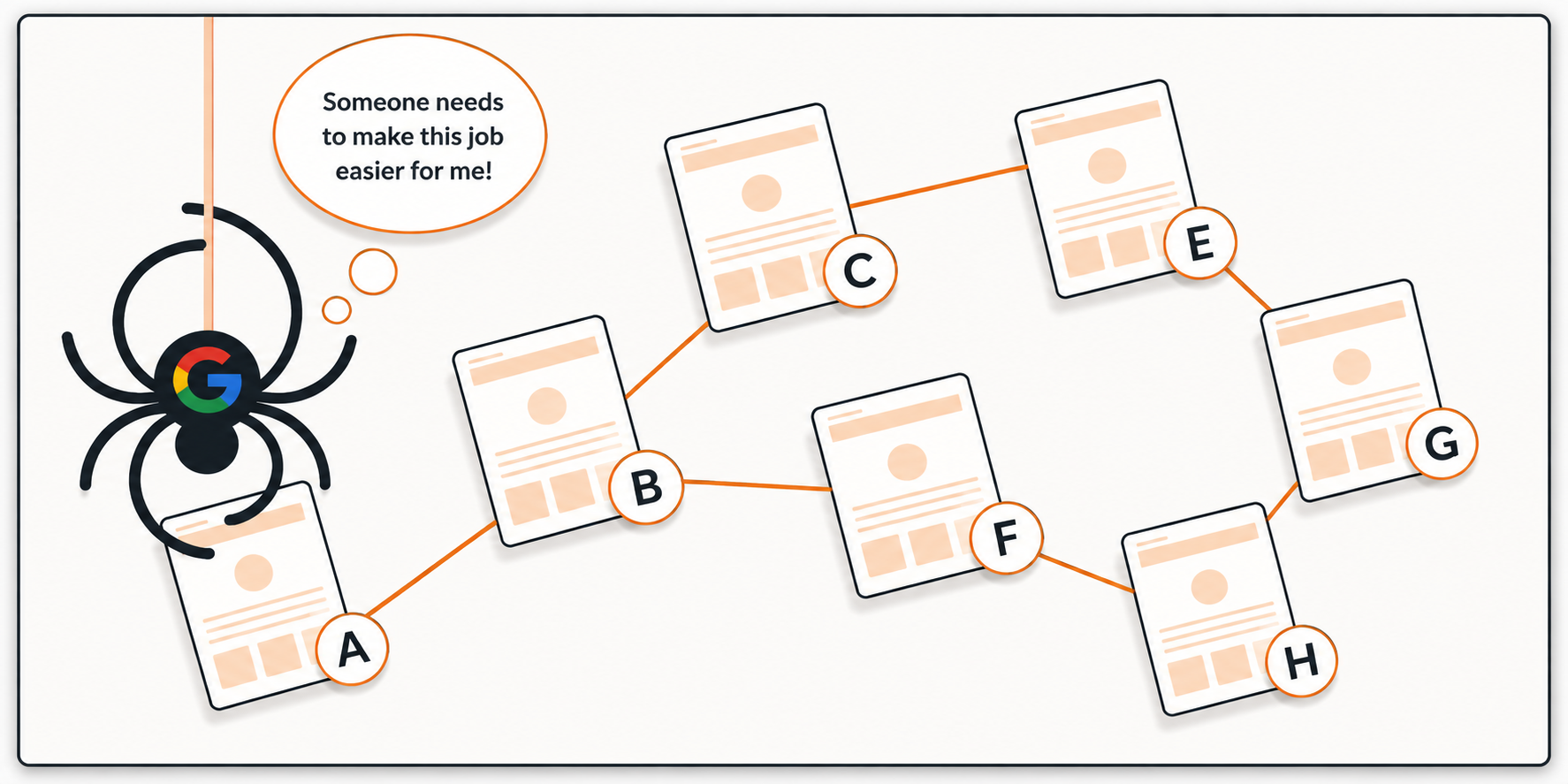
Not every page on a website has the same level of authority. Some pages may attract backlinks, receive more organic traffic, or have existed for several years, while newer service pages may still need stronger internal support. Internal linking for SEO rankings allows businesses to connect these stronger pages with other important URLs.
For example, imagine that a detailed SEO guide starts earning backlinks and ranking for several informational keywords. If that article naturally links to a related SEO service page, it can help search engines understand that the service page is an important part of the same topic.
Anchor text also matters. Internal links should describe the destination naturally rather than repeating the same keyword every time. The Ahrefs internal linking guide explains how internal links can help distribute PageRank and strengthen relationships between pages, making internal linking for SEO rankings more valuable when links are placed with a clear purpose.
How Internal Linking for SEO Rankings Improves User Experience and Conversions
SEO should not focus only on rankings. Organic traffic becomes valuable when visitors stay on the website, explore the brand, understand the available services, and eventually take action. Internal linking for SEO rankings supports this journey by showing visitors where to go next.
Consider a business owner who lands on an article about increasing Google visibility. After reading the article, that visitor may want to learn about professional SEO support, web development, social media marketing, or another digital growth service. Strategic internal links make that journey easier by connecting useful information with relevant pages such as 360 Social Agency’s digital marketing services.
This is particularly important in B2B marketing because potential customers rarely make decisions after viewing one page. They may compare services, read educational resources, explore the agency’s expertise, and return later before making contact. Internal linking for SEO rankings creates a smoother research journey and gives qualified visitors more opportunities to engage with the business.
Building an Internal Linking for SEO Rankings Strategy That Supports Growth
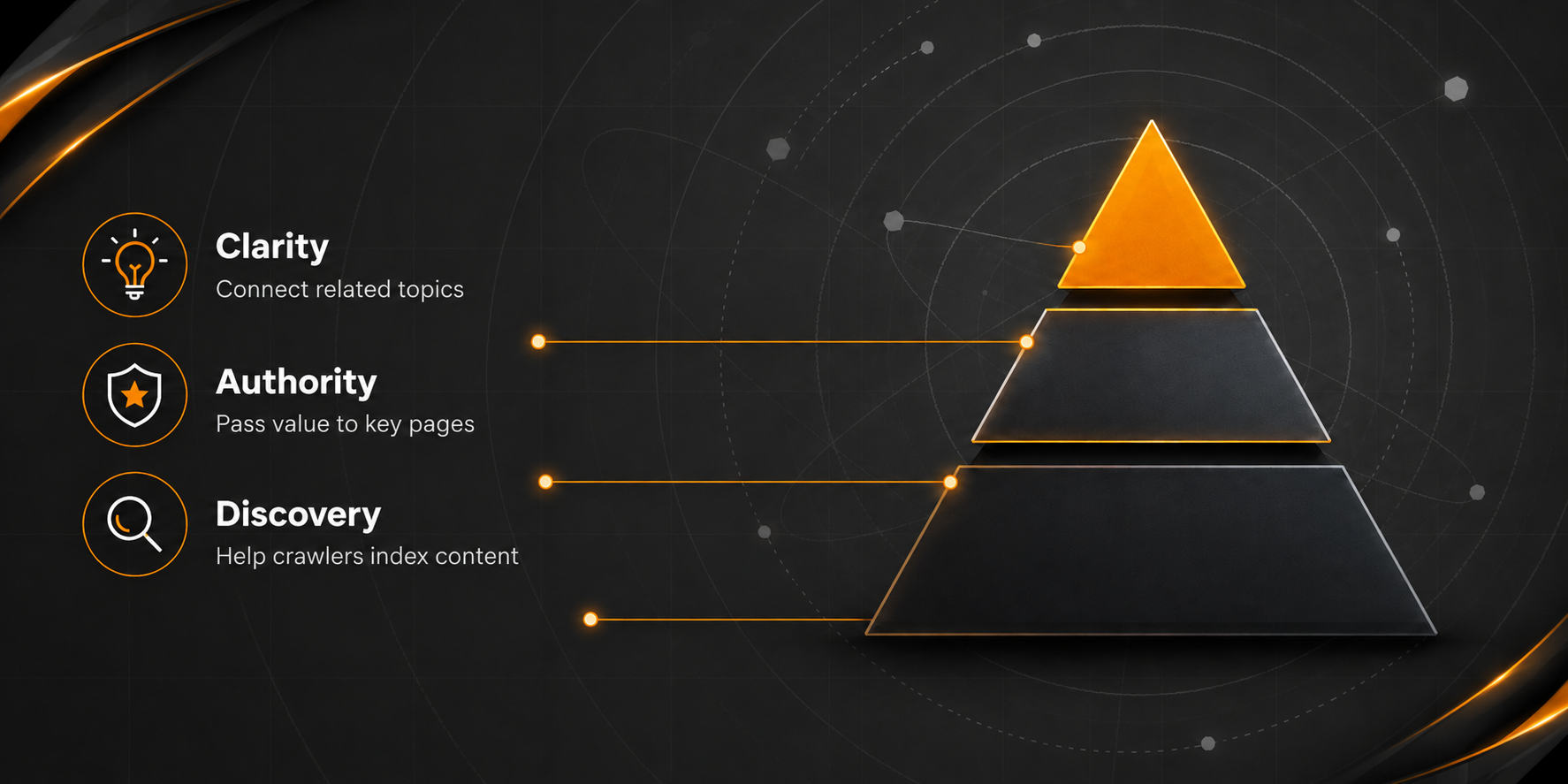
A strong internal linking strategy starts by identifying which pages are most valuable to the business. These can include core service pages, high-converting landing pages, location pages, and educational content that consistently attracts search traffic. Internal linking for SEO rankings should then connect supporting content with these priority pages in a natural way.
Content clusters can make this process much more effective. A central SEO service page might connect with supporting articles about technical SEO, keyword research, local SEO, backlinks, search intent, and content optimization.
This approach is especially useful for companies competing in growing markets such as Pakistan. Instead of publishing isolated blog posts, brands can build connected groups of content around valuable commercial topics. Relevant articles can also direct users toward resources such as 360 Social Agency’s guide to ranking a website on Google in Pakistan.
Maintaining Internal Linking for SEO Rankings as Your Website Grows
Internal linking should be reviewed regularly as your website expands. New blog posts, service pages, and landing pages create fresh opportunities to connect related content. Internal linking for SEO rankings stays more effective when these new pages are integrated into the existing website structure.
Older articles should also be updated with links to newly published resources. This keeps useful content connected and helps important pages remain accessible to both users and search engines.
Broken links, outdated URLs, unnecessary redirects, and orphan pages should be fixed as part of routine SEO maintenance. The Semrush internal linking guide highlights the value of logical site architecture, relevant contextual links, and descriptive anchor text when building a structure that can scale.
Using Internal Linking for SEO Rankings to Support Business Goals
Internal links should support both search visibility and user intent. Someone reading an educational article may need another guide, while a high-intent visitor may be ready to explore a service page. Internal linking for SEO rankings works best when each connection matches the visitor’s stage in the buying journey.
Every internal link should have a clear purpose. Randomly adding links can make a page feel cluttered, while strategic links help visitors continue naturally through the website and discover relevant information.
A strong internal linking structure can also support changing business priorities. When a service becomes more important, relevant existing content can be updated to direct more users and search engines toward that page. This allows internal linking for SEO rankings to support SEO performance and wider commercial goals at the same time.
For B2B brands, this connection between SEO and business strategy matters. A visitor who first arrives through an informational search may later become a lead after exploring a service page, case study, or related resource.
Internal linking can also reveal gaps in a content strategy. If a major service page has very few relevant articles linking to it, the business may need more supporting content around that topic. This makes internal linking useful not only for optimization but also for future content planning.
As a website grows, this process becomes even more valuable. Strong internal connections prevent important pages from becoming buried and help marketing teams keep content aligned with the services and topics that matter most to revenue.
Conclusion
Internal linking may appear simple, but its impact extends across crawling, website structure, authority distribution, user experience, and conversions. A business that connects its content strategically gives search engines a clearer understanding of its expertise while giving visitors an easier way to explore useful information.
For brands that want SEO to contribute to sustainable business growth, internal linking for SEO rankings should be integrated into content planning, technical SEO, and conversion strategy. It should support priority services while helping users move naturally from awareness to consideration and action.
360 Social Agency helps businesses build stronger digital ecosystems where content, search visibility, website performance, and commercial goals work together. A strategic internal linking approach can turn disconnected pages into a stronger search structure that supports better rankings, qualified traffic, and long-term revenue opportunities.
Want us to do this for you?
Get a free, no-pressure audit of your ads, funnel, and website.
Get my free audit